

Overgrown tree branches look harmless at first. A little shade over the driveway. A few limbs near the roofline. Leaves moving in the wind. Then time passes. The branches get longer. The weight gets heavier. Storms roll in. Rain pushes leaves into the gutters. Twigs scrape the shingles. One day you notice dark streaks on the roof, gutter sag, or a branch resting right on top of the house. That is when the problem stops feeling small.
At Arbor Wise Tree Service, we see this often. Homeowners get used to overgrown tree branches because the change happens slowly. A tree near the house grows a little each season, and it is easy to stop noticing how close it has become. Still, overgrown tree branches create real risk for roofing, gutters, and the outside of the home. They also raise the chance of leaks, clogged drainage, pests, and storm damage. This matters more than people think. Overgrown tree branches do not need to crash through a roof to cause damage. Sometimes the problem starts with rubbing, shade, moisture, and clogged gutters. It builds from there. If you want to prevent roof damage from trees, the best move is to notice the warning signs early and act before the repair bill grows.
Need Any Tree Care Service?
GET A FREE QUOTE NOW
Key Takeaways
- Overgrown tree branches often damage roofs and gutters long before a limb breaks
- Tree branches touching roof surfaces wear down shingles over time
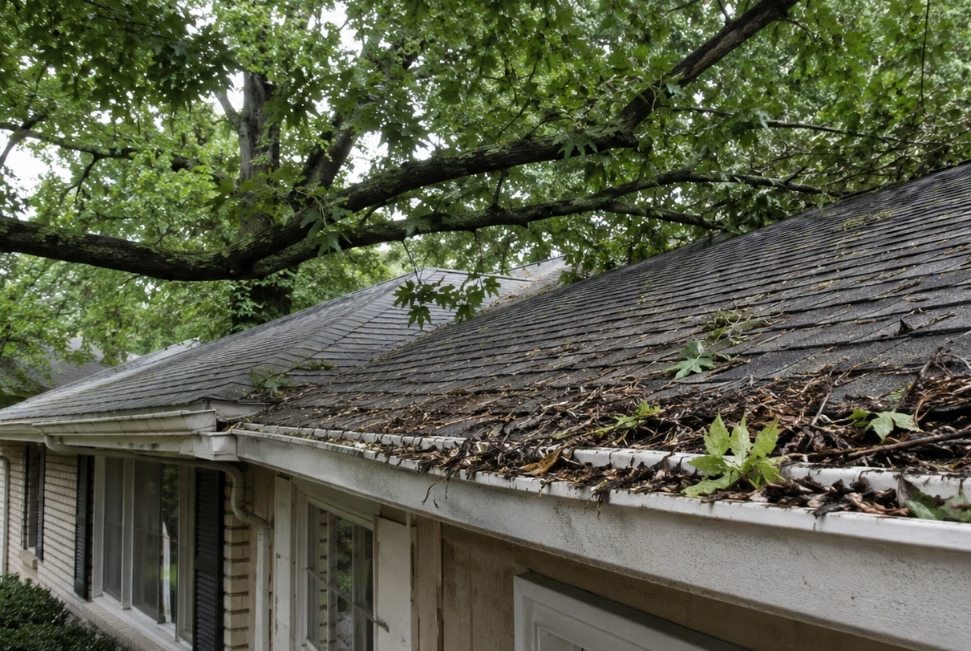
- Tree branches over roof areas drop leaves and twigs into gutters
- Tree branches clogging gutters lead to overflow, rot, and drainage trouble
- Tree trimming near roof edges helps reduce scraping, shade, and storm risk
- Tree maintenance for homeowners should include regular checks around the roofline
- Tree pruning for roof protection often costs less than roof repair later
Why Are Overgrown Tree Branches A Problem For Homes?
The direct answer is this. Overgrown tree branches put pressure, debris, and moisture right where your roof and gutters stay most vulnerable. A tree does not have to fall to cause trouble. Overgrown tree branches often brush the roof during wind, rest on shingles, hang over valleys, or drop enough debris to choke the gutter system. That is when small issues start. Common trouble caused by overgrown tree branches includes:
- Shingle wear
- Gutter clogs
- Gutter sagging
- Standing water
- Moisture buildup
- Roof leaks
- Pest access
- Storm breakage
This is one reason overgrown trees near house lines deserve more attention than people usually give them. The risk grows a little at a time. Then one rough weather day turns a slow problem into a fast one.
Do Tree Branches Touching Roof Surfaces Cause Real Damage?
Yes, they often wear down shingles and shorten roof life. Tree branches touching roof surfaces are one of the clearest warning signs. Even light contact wears on the roof over time. Wind moves the branch. The branch moves back and forth across the shingles. That friction scrapes away protective granules, scratches surfaces, and weakens the materials. This is how roof damage from tree branches often begins:
- Branches scrape shingles during wind
- Granules wear away
- Shingles weaken faster
- Exposed spots age sooner
- Water finds easier entry points
Tree branches scraping shingles may sound minor. It is not. That repeated movement acts like sandpaper over time. A branch resting on one area through multiple storms will often leave a visible mark. Then the roof starts to age unevenly. When homeowners ask when to cut tree branches near house lines, this is one of the first reasons. If the branch already touches the roof, the answer is now.
Can Tree Branches Over Roof Areas Damage Gutters Too?
Yes, they often bend, clog, or pull gutters out of position. Tree branches over roof sections often lead straight to gutter trouble. Leaves, twigs, seed pods, bark, and moss all drop into the gutter system. Then water stops moving the way it should. Instead of flowing to the downspouts, it backs up and spills over the edge. Gutter damage from tree branches often shows up as:
- Loose gutter spikes or fasteners
- Sagging runs
- Overflow during rain
- Rot near fascia boards
- Water stains on siding
- Soil washout below the gutter line
A heavy branch may also strike the gutter during wind or storms. Even if it does not fully break the system, repeated contact weakens the gutter brackets and bends the metal. Tree limbs over roof areas often damage more than one thing at once. The roof takes one hit. The gutter takes another.
How Do Tree Branches Clogging Gutters Lead To Bigger Problems?
They trap moisture and stop water from draining away from the house. Tree branches clogging gutters are a direct path to water trouble. Once leaves and twigs pile up, rainwater has nowhere to go. It spills over the side or backs up under the roof edge. That is when problems like these start:
- Fascia rot
- Soffit staining
- Water against the foundation
- Ice or standing debris in colder zones
- Mold or mildew on exterior surfaces
- Mosquito breeding in trapped water
Leaves in gutters from trees may look like a cleaning issue. In reality, they often become a roof and drainage issue. This is why tree maintenance for homeowners should include a look at what is happening above the gutters, not only inside them.
Need Any Tree Care Service?
GET A FREE QUOTE NOW
Can Overhanging Tree Branches Cause Roof Leaks?
Yes, both direct damage and trapped moisture raise leak risk. Tree branches and roof leaks often connect in two ways. The first is direct physical wear. The second is trapped moisture. Overhanging tree branches create more shade, which keeps roof surfaces damp longer after rain. That slower drying process gives algae, moss, and deterioration more time to build. A leak risk goes up when:
- Branches scrape roofing materials
- Debris traps moisture in roof valleys
- Gutters overflow under the edge
- Shingles stay wet longer
- Flashing areas collect leaves and twigs
This is why overgrown tree branches often do more than scratch the roof. They change the roof environment. They keep areas wet, dirty, and shaded. That combination is hard on roofing systems.
Do Trees Too Close To House Lines Attract Pests?
Yes, branches near the roof give pests an easier path. Trees too close to house walls and rooflines often act like a bridge. Squirrels, rats, ants, and other pests use those limbs to move onto the roof. Once they reach the house, they start exploring vents, eaves, soffits, and attic gaps. That is one more reason trim branches away from roof edges. The goal is not only roof protection. It is also keeping unwanted traffic off the home. Common pest risks include:
- Squirrels near attic vents
- Rodents on rooflines
- Ant activity from branch contact
- Insects nesting in damp debris
- Birds resting and dropping nesting material into gutters
I think this part surprises people sometimes. They expect tree care to be about shade or storm safety. Then a pest issue shows up, and the branch becomes the obvious access point.
When Should You Cut Tree Branches Near House Lines?
Cut them before they touch the roof, press on gutters, or hang low over key roof sections. When to cut tree branches near house lines is one of the best questions a homeowner can ask. Waiting until damage shows up is usually too late. The better timing is before the branch makes contact or before storm season raises the risk. A branch deserves attention when:
- It touches the roof
- It hangs over gutters heavily
- It rubs during wind
- It shades one roof section all day
- It drops large amounts of debris
- It looks cracked or weak
- It hangs over a driveway or walkway near the house
Overgrown tree branches near a home should be checked regularly, especially after spring growth and before storm season. That timing gives you a better chance to prevent trouble instead of reacting to it.
What Does Tree Pruning For Roof Protection Involve?
It involves careful removal and spacing, not random cutting. Tree pruning for roof protection should not mean hacking the tree back without a plan. Good pruning removes the right limbs, improves spacing near the roofline, and keeps the tree healthier overall. A strong pruning plan often includes:
- Removing branches touching the roof
- Reducing limbs hanging over roof valleys
- Cutting dead or weak limbs
- Improving clearance near gutters
- Shaping growth away from the home
- Checking branch weight and balance
This part matters because poor cuts create new problems. A bad pruning job weakens the tree, leaves stubs, or causes future breakage. Arbor Wise Tree Service focuses on trimming with both the tree and the home in mind. That balance matters.
How Much Clearance Should There Be Between Tree Limbs And The Roof?
Enough space for movement, growth, and safer drying. There is no single perfect number for every tree and every house. Still, the goal is simple. Branches should have enough room so they do not touch the roof during normal wind movement or after a season of growth. A useful rule for homeowners is this:
- No branch should rest on the roof
- Limbs should not sweep the shingles in wind
- Gutter lines should stay clear enough for cleaning and drainage
- Growth should not block roof inspection
Overgrown tree branches change fast during one growing season. A branch with safe clearance in spring may become a roof problem by late summer. That is why tree maintenance for homeowners should be ongoing, not one-time only.
What Should Homeowners Check After Storms?
Look for fresh contact marks, broken limbs, and gutter strain. After strong wind or storms, inspect the tree and the house together. Storms often shift branches closer to the roof even if they do not break. A limb may crack, sag, or start rubbing harder than before. After a storm, check for:
- Fresh scratches on shingles
- Broken twigs on the roof
- Bent or sagging gutters
- Branches hanging lower than before
- Cracks in limbs near the house
- Extra leaves packed into the gutters
Overgrown tree branches often become more dangerous after weather events because the damage is partly hidden at first. A branch may still be attached, though no longer stable.
What Is The Best Way To Prevent Roof Damage From Trees?
Keep branches trimmed, inspect often, and do not wait for contact. Prevent roof damage from trees by treating trimming as routine maintenance, not emergency cleanup. That is the simplest answer. A smart prevention plan looks like this:
- Check roof clearance a few times each year
- Schedule tree trimming near roof areas before storm season
- Watch for overhanging tree branches after major growth periods
- Clean leaves in gutters from trees before they build up
- Remove dead or weak limbs early
- Inspect the roof after strong wind
At Arbor Wise Tree Service, we often tell homeowners the same thing. Trees add value, shade, and beauty. They also need management when they grow near the home. Overgrown tree branches are easier to handle before they scrape the roof, crush the gutter, or drop a limb during bad weather.
FAQs
Do tree branches touching roof surfaces damage shingles?
Yes. Tree branches touching roof surfaces often scrape shingles, wear away granules, and shorten roof life.
Can tree branches over roof areas clog gutters?
Yes. Tree branches over roof sections drop leaves and twigs into the gutters, which blocks water flow.
Why are overhanging tree branches a leak risk?
Overhanging tree branches trap moisture, drop debris, and raise the chance of branch contact with roofing materials.
When should you cut tree branches near house lines?
Cut them before they touch the roof, press on gutters, or show signs of cracking or heavy overhang.
How do overgrown trees near house lines affect the home?
They raise the risk of roof damage, gutter damage, clogged drainage, pest access, and storm breakage.
What is tree pruning for roof protection?
Tree pruning for roof protection means removing or reducing limbs near the roofline so the tree stays healthier and the house stays safer.
Do leaves in gutters from trees cause damage?
Yes. Leaves in gutters from trees trap water, lead to overflow, and raise the risk of fascia rot, siding stains, and poor drainage.


